
The 808 Books / Brain, Train, Explain / Introduction
The licence count and the login count
Why is nobody logging in?
The short version
- Giving people an AI tool isn't the same as teaching them to use it, and teaching them to use it isn't the same as them getting better at their work.
- Since 2023 most organizations have done the first, some have done the second, and very few can show the third.
- This book is about the middle step done well: training by role, tied to real work, checked by what people actually do, and planned before the tool is switched on.
By the numbers
74%of frontline employees are regular AI users, but only 36% feel they've had enough training, the same as in 2025 (BCG)
16%of individual contributors and 23% of managers get training before a new AI tool rolls out (Skillsoft)
35.9%of Canadian workers used generative AI at work in the year to March 2026 (Statistics Canada)
01 A composite scene
Marcus, Aisha and their firm are made up, built from patterns that show up again and again in published surveys, studies and the rollouts I've watched. Nothing here describes a real organization.
The report was twelve pages and Ed, the senior engineer, had circled one line in red felt pen so hard the paper had pilled.
"Section 9.4.7," he said, dropping it on Marcus Lavoie's desk. "Look it up."
Marcus did. He scrolled the building code twice. There was no 9.4.7.
He runs people and learning at an engineering and construction services firm based in Saskatoon: about 1,200 staff across the Prairies, plus a 40-person office in Rotterdam that does design work for European clients. In January 2026 the firm had bought an enterprise AI assistant for everyone. IT set it up over a weekend, tested the security settings and sent an email on Monday morning: "Your new AI assistant is live. Click the icon in the top right to start." The email linked to a 20-minute video from the vendor.
The project manager in Regina who wrote the report came on video an hour later, camera angled up from a laptop on a site trailer desk, a hard hat on the shelf behind him.
"I asked it to find the right clause," he said. "It sounded sure."
"Did you check it?"
He paused long enough for the trailer's heater to cycle on. "Check it against what?"
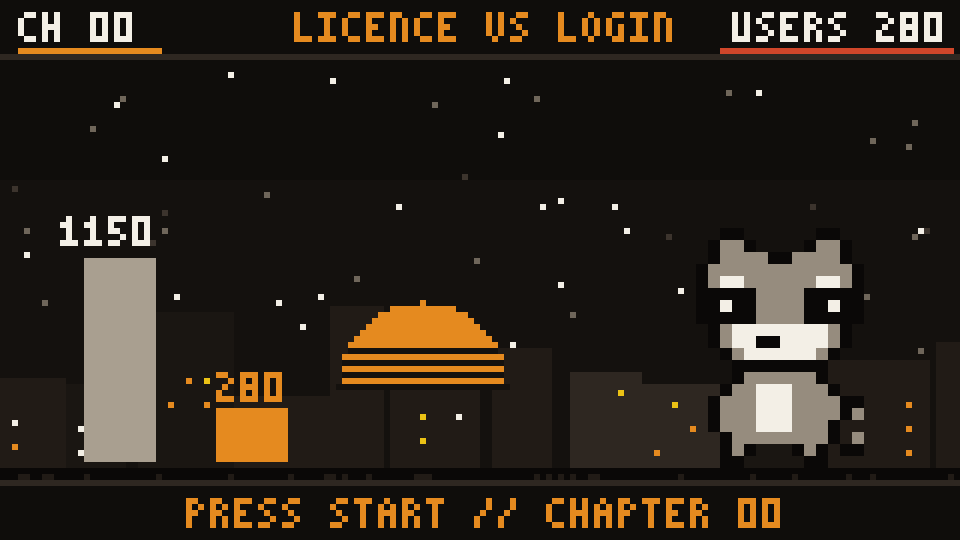
That same week, the IT director, Aisha Rahman, pulled the usage report. The firm was paying for 1,150 licences, one for every office and project employee. In the most recent week, 280 people had used the tool. About 60 used it every day. Most of the daily users were in two teams: proposals and the Rotterdam office.
She printed it and walked it down the hall. Marcus already had Ed's report on his desk. The two pages sat side by side. Neither of them said anything for a while.
Nobody had done anything reckless. The firm had the tool, a policy and a video. What it didn't have was a plan for how 1,150 people with very different jobs would learn to use the tool well, or any way to tell whether they had.
I'll follow Marcus and Aisha through the months that came next, as they rebuilt the rollout. If you're about to switch on an AI tool, or you already have and the usage report looks like theirs, the work is the same.
By the numbers
| Finding | Detail | Source |
|---|---|---|
| 74% of frontline employees are regular AI users, but only 36% feel they've had enough training, the same as in 2025 | BCG AI at Work 2026, 11,749 respondents in 14 markets. Consultancy research. | BCG; BCG slideshow |
| Only 16% of individual contributors and 23% of managers get training before a new AI tool rolls out | 2,000 workers in North America, the UK and Germany, March–April 2026. Vendor-funded: Skillsoft sells training. | Skillsoft |
| 35.9% of Canadian workers used generative AI at work in the year to March 2026 | Statistics Canada, Labour Force Survey supplement | Statistics Canada |
| Canada ranked 44th of 47 countries for AI training and literacy | KPMG and University of Melbourne, 48,000+ people, Nov 2024–Jan 2025. Consultancy research. | KPMG Canada |
The first row is the one to remember. Use has raced ahead. The share of people who feel trained hasn't moved.
02 Who this book is for
You work in HR, learning and development, or IT, and you're responsible for an AI rollout to staff. You may be about to switch a tool on, or you may be trying to rescue one that's already live. You don't need to be technical. You do need to be willing to measure things.
03 How the chapters fit together
- The readiness gap. What the surveys say about training and use, year by year.
- The rules. What the EU AI Act's literacy duty and Canadian guidance ask of employers.
- Role-based curricula. Layers of training by job, not one course for all.
- Assessing skills. Testing what people can do, including without AI.
- Champions and peers. How people actually learn from each other, and the manager's part.
- Practice on real work. Getting from the course to the job.
- Deskilling. How unguided AI use can cost skill, and how to prevent it.
- Measuring behaviour. Why self-reported time savings mislead, and what to measure instead.
- Training and policy. Making the rules and the training say the same thing.
- The 90-day rollout. Putting it together into a plan.
Every chapter has the same parts: a short version, the numbers, the practice, a raccoon's take, an exercise, a template and a quick check.
Warm-up exercise
Read your own usage report
- Goal
- See where your rollout really stands.
- Time
- 45 minutes.
- Ask IT for the number of licences or seats for each AI tool you've rolled out.
- Ask for weekly active users for the last four weeks, broken down by department.
- Ask learning and development how many people completed any AI training, and when.
- Put the three numbers side by side for each department.
- Circle the departments where the gap between licences and weekly use is biggest.
Done when You have one row per department with licences, weekly users and trained staff, and you know which two departments to start with.
Template
Rollout snapshot
| Department | Licences | Weekly active users (avg, last 4 weeks) | Daily users | Completed any AI training | Trained before the tool went live? | Biggest gap (use / training / both) |
|---|---|---|---|---|---|---|
Chapter check
Three questions before you move on
Show all answers
1-B, 2-C, 3-A
Sources
- BCG, AI at Work 2026 press release; slideshow
- Skillsoft, Workforce Readiness Report: AI Edition, 2026
- Statistics Canada, The Daily, July 30, 2026
- KPMG Canada, Study shows Canada among least AI-literate nations, June 2025

End of the introduction
Next · Chapter 1The readiness gap: what the surveys sayHow wide is the gap?